
The Psychology Behind Bluffing
Bluffing in poker is not just about deception; it’s deeply rooted in psychological strategies. Understanding the mindset of your opponents can significantly improve your bluffing tactics. By studying their betting patterns, facial expressions, and body language, you can gain insights into whether they are holding strong hands or are bluffing themselves. For instance, if an opponent suddenly bets aggressively after a series of passive plays, they might be attempting to intimidate other players, which gives you an opportunity to counteract their strategy and potentially win by playing at an online casino australia real money platform that rewards your skills.
Moreover, successful bluffing hinges on your ability to project confidence. When you confidently place a bet while maintaining a relaxed demeanor, you can instill doubt in your opponents. This psychological warfare often leads players to overthink their hands, giving you the advantage to capitalize on their uncertainties. Remember, poker is as much about reading others as it is about playing your own cards; mastering this art requires both intuition and a keen understanding of human behavior.
Additionally, bluffing can be categorized into various types, such as the pure bluff, semi-bluff, and the stone-cold bluff. Each type involves varying degrees of risk and reward, which can be employed depending on your position at the table and your chip stack. For instance, a semi-bluff may involve betting on a drawing hand that could improve, whereas a pure bluff relies solely on convincing others of a stronger hand. The key is to know when to apply each tactic based on situational dynamics.
When to Bluff and When to Fold
Knowing when to bluff is crucial for any poker player aiming to enhance their game. A well-timed bluff can secure a significant pot, but a poorly timed one can lead to potential losses. One effective strategy is to observe the texture of the board; if the community cards suggest a strong hand, bluffing may be less effective. In contrast, on a board that is less coordinated, where fewer hands can connect with the cards, your chances of success increase. Thus, assessing the situation before making your move is essential.
Moreover, your position at the table can influence your bluffing strategy. Players in a late position have the advantage of observing their opponents’ actions, allowing them to gauge the strength of their hands before making a decision. If other players show weakness, it may be an opportune moment to launch a bluff. On the other hand, if you find yourself in an early position, bluffing may be riskier because you lack the insight into opponents’ behavior.
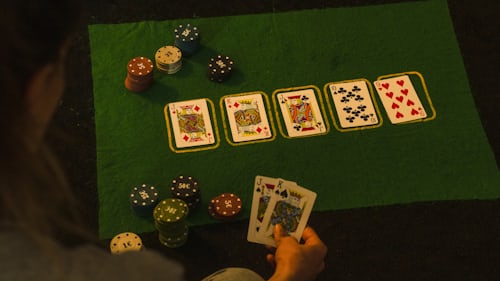
Finally, it’s important to remain flexible and adapt your strategy based on the dynamics of the table. If you notice that your opponents are particularly aggressive or tend to call bluffs frequently, it may be wise to fold and save your chips for a more favorable situation. Conversely, if your table consists of tight players who are likely to fold under pressure, you can take more risks with your bluffs, knowing that the chances of success are higher. Ultimately, mastering this timing and adaptability separates skilled players from novices.
Building a Table Image
Your table image, or the perception other players have of you, plays a vital role in your ability to bluff effectively. If you cultivate a reputation as a tight, conservative player, your bluffs are likely to be taken more seriously. Conversely, if you are known for playing every hand aggressively, players might be less inclined to fold against you. Understanding this dynamic can help you manipulate how others view your play style and use it to your advantage when attempting to bluff.
One effective way to build a strong table image is through consistency in your betting patterns. If you consistently play strong hands and only engage in a few bluffs, your opponents will start to trust your bets more. For example, if you play a solid hand and then later attempt a bluff, players are more likely to believe you. This credibility can significantly enhance the effectiveness of your bluffing strategies and can help you win pots without necessarily having the best hand.
Moreover, the importance of adjusting your table image cannot be overstated. If you notice that your current image isn’t working to your advantage—perhaps players are calling your bluffs too frequently—consider changing your approach. Switching from a tight to a looser style can confuse your opponents and make your future bluffs more effective. Having the agility to shift your table image according to the situation can be a game-changer in mastering the art of bluffing.
Reading Opponents: The Key to Successful Bluffing
Reading your opponents effectively is one of the most critical skills in poker when it comes to bluffing. Observational skills can provide invaluable information about the strength of their hands. For instance, look for tells such as hand movements, facial expressions, and even the speed at which they make decisions. A player who suddenly becomes quiet and apprehensive might be unsure about their hand, presenting a golden opportunity for you to capitalize on through bluffing.

Additionally, taking note of the betting tendencies of your opponents can inform your bluffing strategy. If a player consistently folds to aggressive play or hesitates when facing a raise, they may be more susceptible to your bluffs. Conversely, if an opponent has a tendency to call bets regardless of their hand strength, it may be wise to adjust your approach and bluff less frequently against them. By understanding who is more likely to fold, you can refine your bluffing strategy for maximum effectiveness.
It’s also beneficial to keep a mental note of the playing styles at your table. If you’re up against a player known for their aggression, bluffing might need to be more subtle, as they may be more inclined to challenge your bets. On the other hand, if your opponents are passive and rarely take risks, a stronger bluff might be more effective. Adapting your strategy in response to your opponents’ behaviors is a crucial aspect of mastering bluffing in poker.
Your Ultimate Resource for Poker Strategies
For those looking to sharpen their poker skills and master the art of bluffing, a wealth of resources is available online. Dedicated websites offer articles, videos, and forums where both novice and experienced players can exchange tips, strategies, and experiences. Engaging with a community that shares the same passion for poker can provide insights that may not be available through individual practice alone.
Furthermore, many platforms offer interactive tools that allow players to simulate various scenarios, helping them to practice bluffing in a risk-free environment. By utilizing these resources, you can enhance your understanding of the game and develop a more well-rounded approach to poker. These platforms often host tournaments as well, providing opportunities to test your skills against a range of opponents.
In conclusion, mastery of bluffing in poker requires not only knowledge of the game but also a deep understanding of human psychology, timing, and adaptability. Embracing this learning journey through various resources can significantly elevate your poker game and lead to more successful outcomes at the table. Whether you are an aspiring player or a seasoned veteran, continued commitment to learning and practicing is the key to excellence.